early postpartum guide
When you purchase the guide, you’ll receive an invite to the Everfit app. Once you start your postpartum journey, you’ll get access to the day-by-day guide.
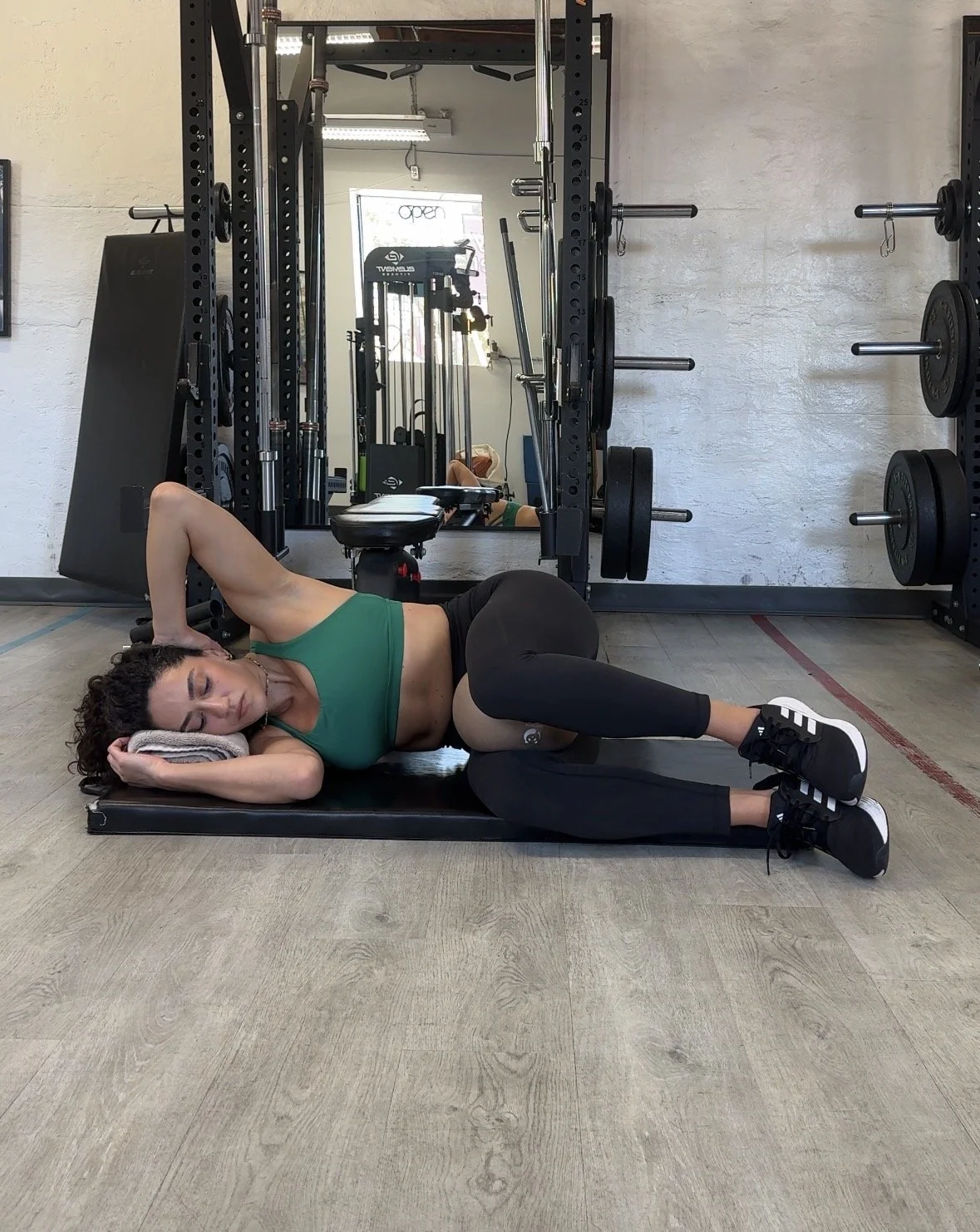
Inside the app you'll get:
Every movement comes with clear instructions, breathing cues, and guidance on how to perform it comfortably during the early postpartum period.
Detailed Exercise Guidance
You’ll receive messages throughout the program explaining what to focus on each week, what to watch for, and how to approach movement during this early stage of recovery.
Guidance Along the Way
Gentle Week-by-Week Progressions
The guide progresses gradually from weeks 1-6, starting with gentle walking and recovery support, then slowly reintroducing core connection, mobility, and movement as your body heals.
You’ll learn where you should feel each exercise, what sensations are normal, and what signs mean you should modify or stop so you can move with more confidence.
Know What You Should Feel
FAQs
After purchase, you’ll receive access to the Everfit app, but your Early Postpartum Guide won’t begin yet. Once you give birth, simply send Steffi a message through the app on Day 1 postpartum, and she’ll activate your guide so it starts at the right time for you.
do i have to wait till i’m postpartum to purchase this guide?
1
What equipment do i need?
2
You’ll need just a few simple pieces of equipment: 2 large towels, 2 large pillows, 1 Pilates ball or yoga block (a small, thick pillow can be used instead), and 1 long, light resistance band.
Nothing fancy, most of the guide is designed to be easy to do at home during the early postpartum weeks.
Can i follow this guide if i had a c-section?
3
Yes. The Early Postpartum Guide is designed for both vaginal and C-section deliveries, as long as your recovery is uncomplicated and your healthcare provider has not given you specific restrictions.
The movements are gentle and focused on breathing, mobility, core reconnection, and relieving tension rather than traditional exercise.
If you’re experiencing incision complications, significant pain, increased bleeding, pelvic pressure, or have been advised to limit activity, check with your healthcare provider or pelvic floor physical therapist before following the guide.
Can i purchase this guide if i’m more than 2 weeks postpartum?
4
Yes! If you’re still within the first 6 weeks postpartum, you can absolutely purchase the guide.
After joining, simply message Steffi in the Everfit app and let her know how many weeks postpartum you are. Your guide can then begin from the week that best matches your current stage, you won’t need to go back and start from Day 1.
If you’re already more than 6 weeks postpartum, you might benefit more from 1:1 training or other programs. Reach out and ask us in the contact page!
Important Disclaimer
This program is an educational postpartum movement guide, not individualized medical care, physical therapy or medical clearance to exercise.
The movements provided are optional recommendations for you to complete independently and at your own discretion. You are responsible for deciding whether a movement is appropriate for you and for following the advice and restrictions provided by your physician, midwife, pelvic floor physical therapist or other healthcare provider.
Every birth and postpartum recovery is different. This guide is intended for uncomplicated postpartum recovery and is not designed to diagnose, treat or rehabilitate birth injuries or postpartum medical conditions.
If you experience pain, increased bleeding, pelvic pressure or heaviness, a vaginal bulge, significant leaking, pulling or pain around a C-section incision, worsening symptoms, or anything that does not feel right, stop the movement and contact an appropriate healthcare professional.
If you experienced complications during pregnancy, labor or delivery, significant tearing or birth injury, C-section complications, pelvic organ prolapse, or have been given specific postpartum restrictions, please speak with your healthcare provider or pelvic floor physical therapist before following this guide.